For many, Bali’s property market is home to a vibrant yet complex ecosystem with plenty of opportunities.
But with great rewards come heavy risks, and, as the industry grows, so too does the number of unlicensed property brokers, which threatens both consumers and the market’s stability and integrity.
For years, the Indonesian Real Estate Brokers Association (AREBI) has championed the need for more robust industry standards and certification for all real estate agents and brokers. Industry benchmarks, transparency, and integrity should (and do) make sense, but the truth is, there has been reluctance to fully embrace the idea. AREBI and the Ministry of Trade see certification as the cornerstone of a secure, transparent, and professional property market, not as a bureaucratic hurdle, as many opponents would suggest.
The Problem of Unlicensed Brokers in Bali
The number of unlicensed brokers and agents in Bali has reached alarming levels, with disturbing consequences for consumers, the government, and the industry in general. Ronald Jenri Silalahi, Director of Supervision of Circulating Goods and Services at the Indonesian Ministry of Trade, described unlicensed brokers as a “pest” eroding the property business. This hasn’t gone unnoticed, and the recent enactment of Government Regulation (PP) No. 28 of 2025, together with intensified checks of illegal properties, should serve as a wake-up call for the industry. But do they?
Silalahi revealed the results of the Ministry’s supervision of 216 property intermediary businesses from 2021 to 2024, where a shocking 74% were found to be non-compliant, with violations including the absence of certified experts (42%), failure to submit annual reports (31%), and even the lack of a proper Business Identification Number (NIB) for real estate activities (27%).
Bali appears to have more than its fair share of illegal players, where the post-COVID-19 property surge attracted a wave of unlicensed foreign brokers, especially from Russia and Ukraine. Even though foreigners can not currently be certified as agents or brokers, Michael Hikma Gunawan, Chairman of AREBI Bali, estimated that approximately 20% of property brokers and agents in Bali are foreign nationals, many operating completely illegally without certification or even formal offices.
“They market properties through social media without oversight, receiving commissions abroad and evading taxes,” Gunawan said. These practices not only undermine legitimate businesses but also harm the state by bypassing tax obligations and disrupting spatial planning and environmental regulations.
The risks for consumers are profound. Unlicensed brokers lack the training and accountability required to navigate the complex web of regulations, permits, and legal nuances inherent in property transactions. This increases the likelihood of fraud, hidden liabilities, and unenforceable contracts, leaving buyers vulnerable to significant financial losses.
As Silalahi warned, violators face severe penalties under Trade Ministerial Regulation No. 69 of 2018, including up to five years in prison or fines of Rp2 billion, underscoring the government’s commitment to cracking down on illegal practices.
Recent sweeps of illegal properties, particularly those developed or marketed by unlicensed foreign nationals, have heightened the urgency for reform. AREBI Bali has coordinated with immigration authorities to document and address these violations, signalling a shift toward stricter enforcement. These developments should serve as a clarion call for the industry to prioritise certification and compliance, as the consequences of inaction are no longer theoretical but tangible.
Again, we need to ask the same question … Do they?
The Case for Certification
In short, the answer has been, ‘no.’ What people ‘should do’ and what they ‘actually do’ are worlds apart.
For years, AREBI has advocated for mandatory certification to elevate industry standards and protect consumers. And for years, very few have risen to the challenge and complied. It’s been far too easy to slip under the radar, but the recent revision of Government Regulation No. 28 of 2025, which reclassifies real estate brokerage (KBLI 68200) as a medium-high risk activity, marks a significant step forward. This shift mandates stricter oversight, requiring all property brokers to hold verified standard certificates and employ competent, certified experts.
As AREBI Chairman Clement Francis emphasised, “Certification is not only to avoid legal sanctions but also to increase consumer confidence and create a more transparent and professional property market.”
Certified agents bring specialised knowledge and accountability that unlicensed brokers cannot match. Lisa Comsatun, Sales Director of Seven Stones Indonesia, highlights the critical role this plays: “Proper certification truly protects clients. Property deals may appear straightforward, but navigating regulations, rules, and legalities needs specialised knowledge and foresight; qualities that certified agents are trained to deliver.”
For example:
- Regulatory Expertise: Certified agents understand zoning laws, anticipate regulatory changes, and ensure properties remain compliant, safeguarding clients from future legal challenges;
- Permit Proficiency: Beyond paperwork, they navigate building codes, safety standards, and environmental regulations tailored to specific property plans;
- Tax and Legal Safeguards: They ensure accurate tax calculations, clear past obligations, and protect clients from hidden liabilities that could emerge post-purchase;
- Fraud Prevention: Certified agents are trained to spot red flags, verify documents, and leverage professional networks to ensure secure, legitimate transactions;
- Continuous Education and Accountability: Restricted to Indonesian nationals, certified agents undergo ongoing training, maintain professional bonds, and adhere to ethical standards that benefit both clients and the industry.
These advantages were a focal point at the AREBI workshop, where discussions with government officials, including Iqbal S. Shofwan (Director General of Domestic Trade) and Mario Josko (Director of Trade Order), underscored the necessity of professional oversight to support the industry.
The Cost of Ignoring Standards
Despite AREBI’s long-standing advocacy, the real estate world has been slow to fully implement certification standards. This inertia has allowed unlicensed brokers to flourish, particularly in Bali. Gunawan noted a 30% decline in property sales compared to normal conditions, attributing part of the downturn to the market’s instability caused by illegal practices.
“We can usually sell eight properties a month, but now it’s only a third,” he said, highlighting the economic toll of an unregulated market.
The financial and legal risks of engaging unlicensed brokers far outweigh the perceived savings of their lower fees.
As Comsatun pointed out, “Hiring certified professionals may represent a slightly higher investment upfront, but when you consider the long-term security, reduced risk, and peace of mind they provide, it’s worth every rupiah.”
The Ministry of Trade’s collaboration with AREBI and the Professional Certification Institute (LSP) to train and certify brokers across Indonesia reflects a commitment to professionalising the industry. Francis noted that AREBI is preparing assessors in various regions to ensure widespread access to certification, aiming to eliminate illegal practices, including those by unlicensed foreign brokers.
As we’ve said before, this transformation will require collective action from brokers, consumers, and government agencies to fully realise these standards.
A Path Forward for Bali’s Property Market
For consumers, due diligence is paramount. Before engaging a property broker, verify their certification through the AREBI directory at https://arebibali.com/en/, research their reputation, and carefully review contracts. Payments should only be made with clear confirmation of legitimacy.
As Silalahi urged, “Protect Bali from illegal practices. Support healthy, fair, and legal property growth. Use official and certified brokers.”
For the industry, the recent sweeps of illegal properties and brokers should galvanise action. AREBI’s collaboration with Immigration and technical agencies, as well as the Bali Provincial Government’s growing attention to the issue, signals a commitment to enforcement.
Gunawan expressed hope that the presence of government representatives at the event indicates increased regulatory focus, particularly on illegal developments by foreign nationals. The AREBI Bali event was a powerful reminder of the industry’s potential to move toward greater integrity and consumer protection.
Comsatun is optimistic about the direction: “Surrounded by dedicated professionals passionate about raising industry standards, I felt reassured that our industry is moving toward integrity, care, and true client protection.”
Bali’s property market stands at a crossroads. By embracing certification and compliance, stakeholders can transform the industry into a model of transparency and professionalism. Certified AREBI agents offer not just expertise but also accountability and a commitment to safeguarding investments. As the industry navigates this pivotal moment, choosing certified professionals is not just a prudent decision; it’s a critical step towards healthier and more secure property investments in Bali.
If you’d like more details about AREBI or want to speak to AREBI Certified agents and brokers, get in touch with Seven Stones Indonesia via hello@sevenstonesindonesia.com. By choosing a certified AREBI agent, you’re not just making a transaction; you’re safeguarding your investment and supporting a healthier, more transparent property market in Bali.
Sources: Seven Stones Indonesia, AREBI, Nusa Bali, Bali Tribun News
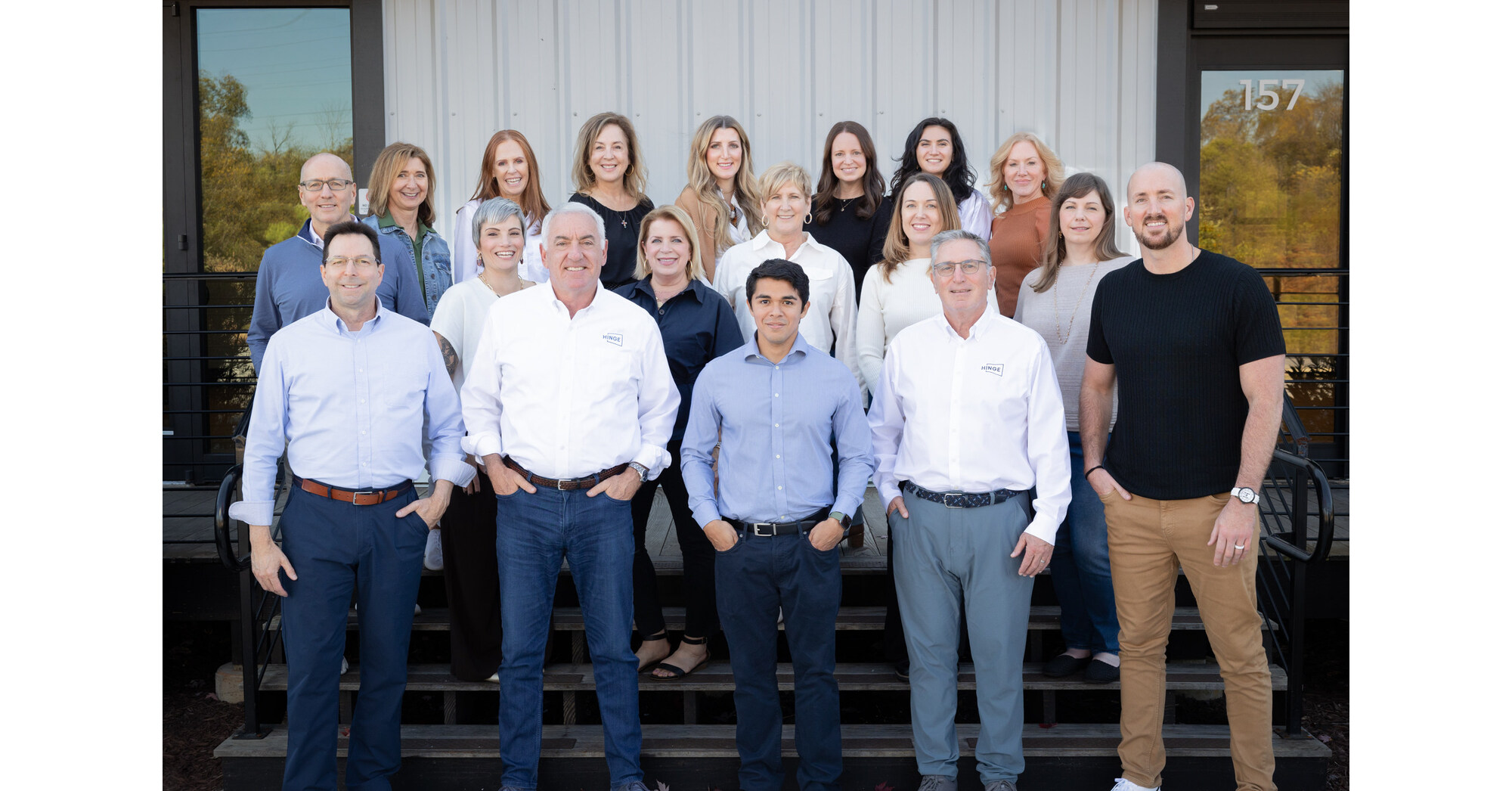
Image courtesy of the Indonesian Real Estate Brokers Association (AREBI)
Also Read: What’s Wrong with Real Estate in Bali?
link