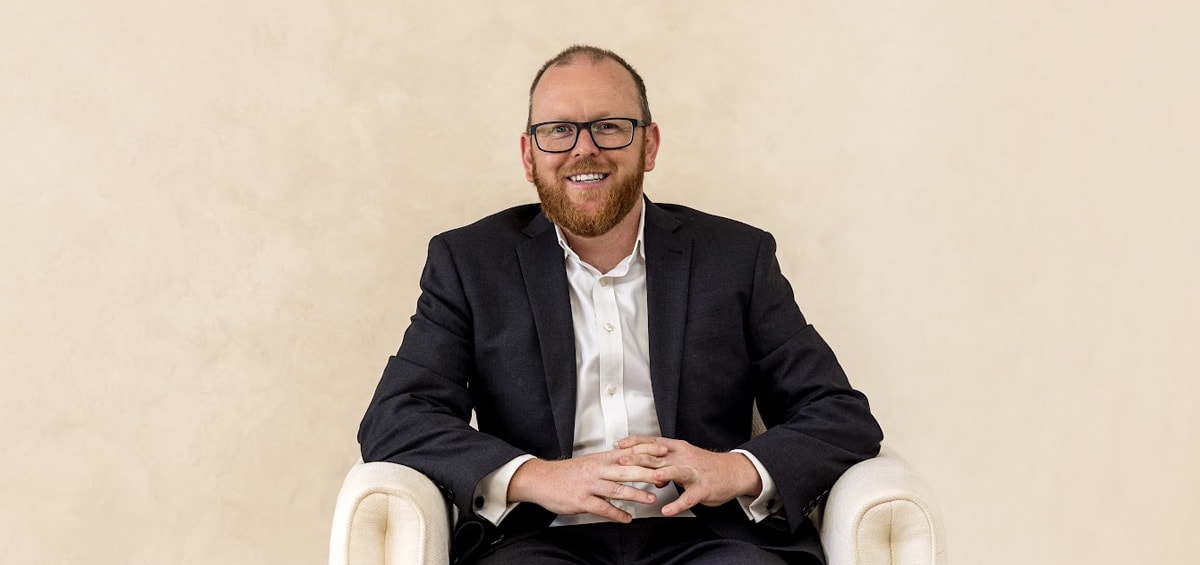
Sharyl Smith is the executive vice president and chief strategy officer of Prisma Health. In this role, she guides Prisma’s strategic initiatives and growth and leads planning, marketing and communications, philanthropy, and veterans’ affairs.
She has more than 20 years of experience in strategic planning, marketing and communications leadership. She served as vice president of regional marketing and communications at Trinity Health and in senior leadership roles at McLaren Health Care and the Detroit Medical Center.
She holds several professional affiliations including the Society for Healthcare Strategy and Market Development, the American College of Healthcare Executives, the National Association of Health Services Executives, and the American Marketing Association. She has served in board-leadership positions for the Public Relations Society of America’s Detroit Chapter and the American Heart Association of Southeast Michigan and was appointed to the Early Childhood Investment Corp. by Michigan’s governor’s office. She is also a member of Alpha Kappa Alpha Sorority Inc. and The Links Inc.
Smith is a graduate of Eastern Michigan University and holds an accreditation in public relations and certification in health care strategic planning through the American Hospital Association Society for Healthcare Strategy and Market Development.
Interview with Sharyl Smith
Q. Can you describe the role of a chief strategy officer?
A. As Prisma Health’s chief strategy officer, I’m primarily focused on the growth and strategy for the organization. I lead a team that identifies priority clinical service lines, recommends new lines of business and develops strategies to achieve organizational goals. My areas of responsibility include strategy, planning, marketing, communications, business development and philanthropy. The common thread across each of these workgroups is that they all support the organization’s ability to grow and expand the range of care we provide to our patients.
Q. What do you find most fulfilling about your job?
A. I really get excited about the opportunity to help steer positive change, impact our community and support our dedicated team. I’m a big believer in building relationships and processes that enable our team members to grow professionally, taking ownership of their work and the effect it can have on our organization. We have approximately 30,000 team members who get up each day determined to make a difference for our patients. Although some of those team members — such as the areas I lead — don’t provide direct patient care, their work is valuable and important as Prisma Health seeks to connect with the community, identify areas of growth and fund services for those in need. I have the honor of working with a talented team that’s committed to making a difference and that’s extremely gratifying for me.
Regardless of the title, as leaders, the true measure is how we impact and inspire our team members. This allows us to advance the mission of the organization. At Prisma Health, that’s something I focus on every day, knowing that albeit indirectly, our work affects the lives of our neighbors throughout the communities we serve. I cannot imagine a greater opportunity.
Q. Are there any trends in the delivery of health care services that people need to pay attention to? For example, telehealth and the use of AI in new ways have been popular topics of discussion. Do you see a bigger role for either or both of these in healthcare?
A. The use of telehealth skyrocketed during the pandemic. In 2022, more that 85% of American hospitals were offering telehealth services. Since then, as COVID-19 cases declined, so has the use of telehealth. However, as millennials and Gen Z Americans age, I believe there will always be a role for telehealth among these generations who grew up with technology and utilize it in their everyday lives. Additionally, as the physician shortage continues to increase, we may rely more heavily on telehealth and virtual visits to increase access to care in rural areas.
Artificial intelligence is currently being leveraged in health systems across the country, and there’s no reason to believe that usage will slow in the near future. Sample use cases of AI in health care include capturing physician notes during patient visits, predicting future disease occurrence in patients based on current indicators, and automating routine tasks such as appointment scheduling. As AI becomes more sophisticated and reliable, we can expect it to become more intertwined with many industries, including health care. Years from now it will likely be the new normal.
Q. Are there particular challenges that come with meeting the health care needs of a growing, and often aging, population?
A. Greenville County increased by more than 100,000 new residents between 2010 and 2020. That growth is expected to continue, with a projected 222,000 additional residents moving to the county by 2040. Adults age 65-plus are the fastest-growing segment of the population. These combined factors create unique challenges related to health care needs.
As the population grows, so does the demand for primary care, specialty services, emergency care, behavioral health and diagnostic services. Given the already strained workforce, this could potentially lead to longer wait times for appointments. At Prisma Health, we’ve redesigned our processes to meet this growing need, enabling us to offer primary care appointments for new patients within 14 days.
Chronic conditions such as diabetes, heart disease and dementia are more prevalent among older adults, as is the need for long-term care and home health care. The complexity of managing multiple conditions in older adults in requires more time, coordination and specialized expertise. The Prisma Health team addresses these needs through a wide range of care that protects the health and dignity of older adults, such as our PACE program, which includes adult day-health centers, inpatient care, primary care and other services.
Over the next 10 to 15 years, the local population growth will require health care organizations to continually explore opportunities to create and staff programs to sustainably support the health of a changing market.
Q. Recruitment and retention of talent has become a strategic priority for organizations, regardless of the sector in which they operate. Are there specific challenges in this regard for the health care field? What are some of the general strategies Prisma is pursuing to meet those challenges?
A. Yes, health care faces unique recruitment and retention challenges. Nationally, the U.S. is experiencing a significant shortage of nurses, driven by retirements, burnout and limited nursing-school capacity. Physician shortages are also critical, with up to 124,000 fewer doctors expected by 2037, especially in primary care and certain specialties. Additionally, workforce shortages for positions such as pharmacists, physical therapists and respiratory therapists are expected to grow over the next decade. These shortages are even more impactful in rural and underserved areas, where access to care is already limited. Hospitals and health systems also face growing recruitment competition for health professionals from nontraditional providers such as retail pharmacy chains and online health care companies.
Our recruitment efforts are broad and are supplemented by relationships with area colleges and universities, allowing us to nurture relationships that support our recruitment pipeline. We also have our MedEx program, which introduces teens to the health care industry.
But in this environment, traditional recruitment tactics are not enough. Organizations must prioritize retention, invest in workforce development, and adopt long-term strategies that support staff well-being and career growth. At Prisma Health, our leadership team prioritizes employee retention, working to create and maintain a culture in which all team members feel that they belong. We engage a variety of tools to help our employees have opportunities for success at home and at work. Prisma Health offers broad-based benefits including tuition assistance and loan forgiveness, access to affordable housing, onsite and discounted child care, and a robust recognition platform. We also offer opportunities for wellness support that include mental-health tools, financial-literacy programs and connectivity with various healthy-lifestyle groups. Our team member engagement scores tell us we’re on the right track, as they have continued to increase for the past three years. We’ve also seen a 20% reduction in our turnover rate.
In health care, where staffing directly impacts patient care and outcomes, workforce planning is not just an HR function — it’s a strategic imperative.
link